
Teams thrive when they look united and professional. Custom embroidery turns ordinary uniforms into symbols of pride and cohesion. Whether for a sports club, corporate group, or community organisation, embroidered logos on polo shirts, caps, or jackets create a polished appearance that boosts team spirit.
Embroidery stands out for its durability and texture, offering a premium feel that screen printing often cannot match. Threads woven directly into fabric resist fading and wear, ensuring designs stay sharp through countless washes and events. This guide explores key custom embroidery techniques, from basics to advanced methods, to help teams achieve standout branded apparel.
Embroidery has evolved with modern tools, yet it retains timeless appeal. Polyester threads provide vibrant colours and strength, while rayon offers a soft sheen. Fabrics like cotton blends hold stitches well for everyday wear.
Digitising designs—converting artwork into stitch patterns—ensures precision on machines. These elements form the foundation for professional team uniforms that endure active use.
The Fundamentals of Embroidery for Teams
Mastering custom embroidery starts with understanding core components. Thread types play a crucial role: polyester excels in colourfastness and strength, ideal for outdoor team gear, while rayon delivers a silky finish for indoor corporate attire. Metallic threads add sparkle for special events, though they require careful handling to avoid breaks.
Fabric selection impacts results. Polo shirts in cotton-polyester blends support dense stitching without puckering. Caps need structured materials to hold 3D effects, and jackets benefit from heavier weaves for patch applications. Digitising designs involves software that maps stitches, adjusting density for fabric type. Lower density suits stretchy materials to prevent distortion.

Stitch types include satin for smooth borders, fill for solid areas, and running for outlines. These ensure wash-resistant designs that maintain shape. Scalability matters too—from small chest logos on sports jerseys to large back patches for event merchandising. Proper backing stabilises fabric during stitching, preventing shifts.
Teams gain from embroidery’s longevity. Unlike prints that crack, embroidered logos embed into fabric, lasting years. This makes it perfect for high-wear items like team jackets or promotional apparel. Colour matching uses Pantone guides for consistency across orders.
Top Custom Embroidery Techniques to Try
Advanced techniques transform basic logos into eye-catching features. Each method suits specific team needs, enhancing brand visibility and professional appearance.
3D Puff Embroidery
This technique uses foam under stitches to create raised effects. Place foam beneath the design, stitch over it, then trim excess. Result: bold, tactile logos that stand out on caps or jerseys.
Pros: Adds depth, making team names pop at games or events. Durable on sturdy fabrics. Cons: Limits fine details; best for bold text or simple shapes. Use cases: Sports teams love it for helmets or hats, where the 3D effect draws attention from afar.
In 2025, 3D puff remains popular for its visual and tactile appeal, especially in commercial applications. Digitise with wider satin stitches to cover foam evenly.
3D puff embroidery continues to thrive in 2025, offering bold, raised designs that enhance tactile and visual appeal in team wear.

Appliqué Embroidery
Layer fabric pieces onto base material, then secure with stitches. Cut shapes from contrasting fabrics, position them, and edge with satin or zigzag stitches.
Pros: Allows multi-colour designs without dense threading; reduces stitch count for lighter feel. Cons: Edges may fray if not sealed properly. Use cases: Complex mascots on corporate uniforms or layered branding on denim jackets.
Origins trace back thousands of years, with early examples in Ancient Egypt and China. Modern machines speed the process, blending hand-cut precision with automated edging.

Metallic Thread Embroidery
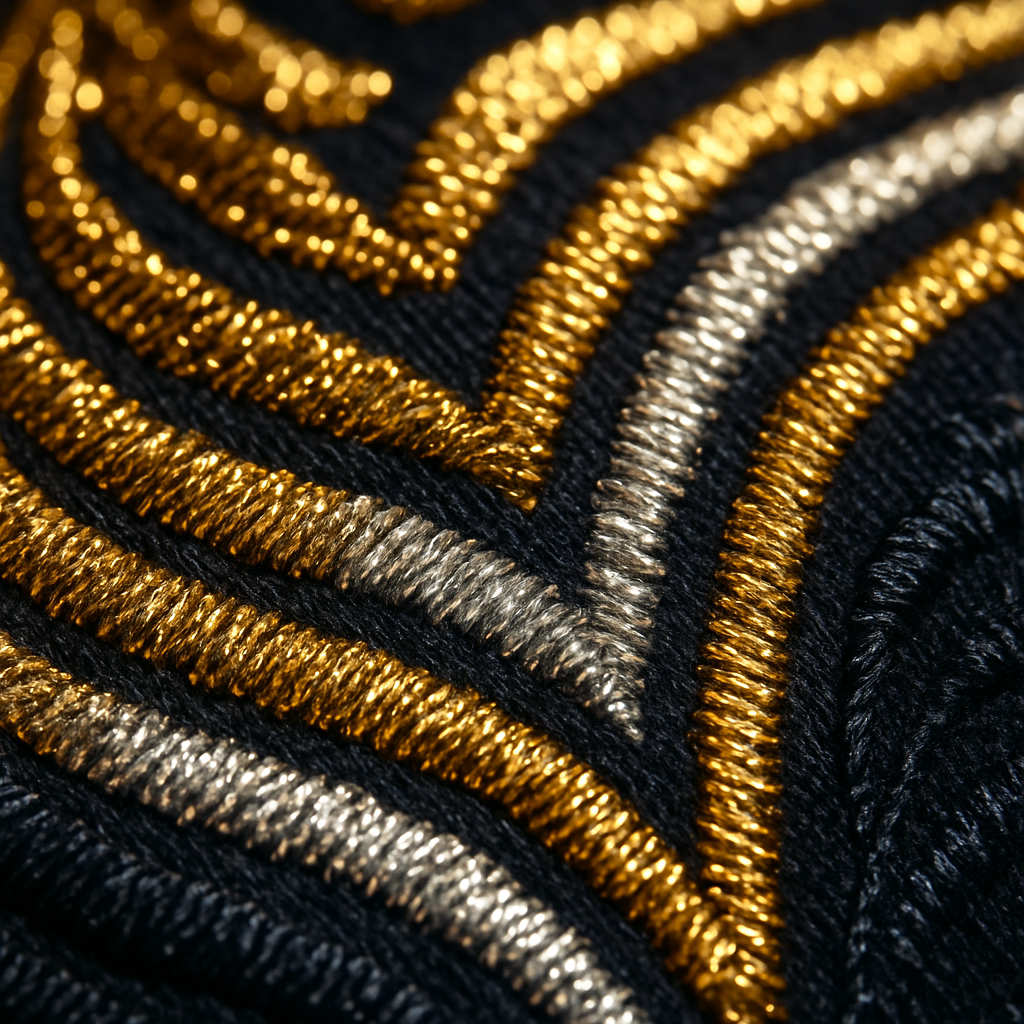
Incorporate gold, silver, or coloured metallic threads for shimmer. Use specialised needles and reduce tension to prevent breaks.
Pros: Creates luxurious effects for formal team wear or awards ceremonies. Cons: Threads can fray; requires slower machine speeds. Use cases: Event merchandising or high-end corporate polos needing elegance.
Trends show metallics paired with gradients for dynamic logos reflecting team energy.
Gradient and Blending Stitches
Vary thread colours in stitches for smooth transitions. Software blends shades automatically.
Pros: Modern, artistic looks for dynamic branding. Cons: Higher thread consumption. Use cases: Abstract team motifs on promotional apparel.
We design uniforms that speak louder than logos — because every seam, shade, and shape should say this is who we are. Connect with VMA Uniforms and let’s sketch your story together.

Eco-Friendly Embroidery
Opt for recycled polyester threads or organic cotton fabrics. Natural dyes minimise environmental impact.
Pros: Appeals to sustainability-focused teams; durable and vibrant. Cons: Limited colour ranges initially. Use cases: Green initiatives or eco-conscious sports clubs.
The global embroidery market grows rapidly, valued at USD 3.2 billion in 2023 and projected to reach USD 6.2 billion by 2032 at a 9.5% CAGR, driven partly by demand for sustainable options.
The embroidery market is expanding with a focus on eco-friendly materials, as seen in 2025 trends toward organic and recycled threads.

Compare techniques in this table:
Technique | Best For | Durability | Cost Factor |
3D Puff | Caps, bold logos | High | Medium |
Appliqué | Layered designs | High | Low |
Metallic Thread | Shimmer effects | Medium | High |
Gradient Stitches | Modern blends | High | Medium |
Eco-Friendly | Sustainable branding | High | Medium |
These methods elevate team image by adding texture, shine, or ethics. Choose based on fabric and purpose—puff for visibility, appliqué for complexity.
Comparing Embroidery to Other Methods
Embroidery outperforms screen printing in durability. Stitches integrate into fabric, resisting cracks or peels that affect prints after washes. For team uniforms, this means logos stay crisp longer.
Screen printing suits large, colourful graphics on t-shirts but fades faster. Embroidery handles small details better on varied fabrics.
Choosing the Right Technique for Your Team
Assess needs: Sports teams prioritise durability and visibility—go for 3D puff on caps. Corporate groups favour subtlety with metallic or appliqué on polos.
Consider budget and quantity. Small runs benefit from embroidery’s no-setup fees for digitising. Test samples on actual fabrics.
Maintenance tips: Wash inside out in cold water; avoid bleach. Air dry for longevity.
Conclusion: Stitch Your Team’s Success
Custom embroidery techniques like 3D puff, appliqué, and eco-friendly options elevate team image through professional, durable branded apparel. They foster unity and leave lasting impressions at events or workplaces. Invest in quality digitising and materials for results that endure.